
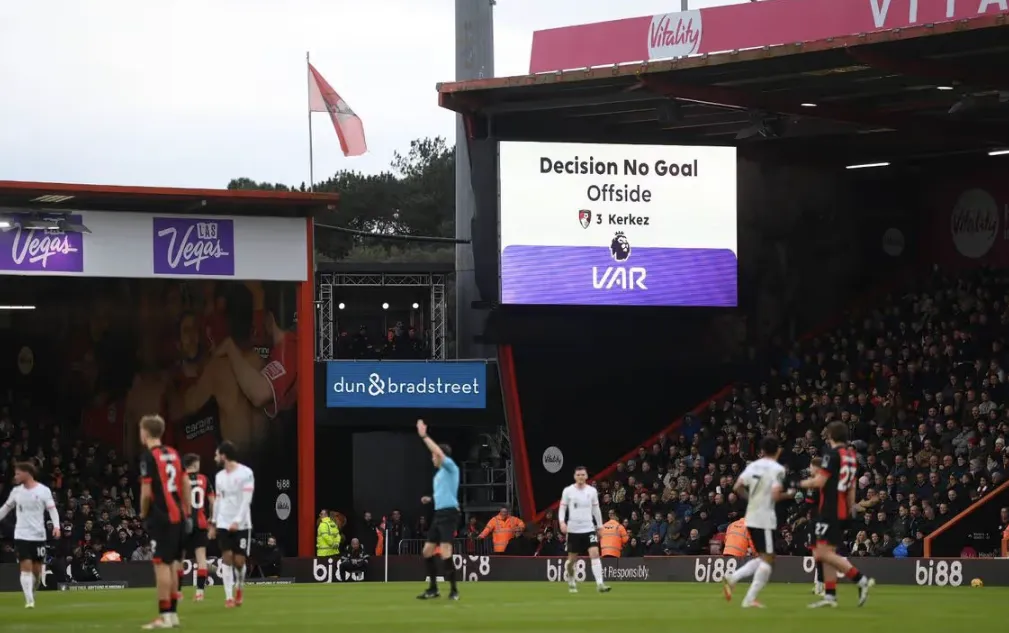
The world of football officiating is on the brink of a revolution. For years, Video Assistant Referee (VAR) decisions, particularly for offside, have been a source of intense debate, long delays, and fan frustration. Now, a new era is dawning with the introduction of Semi-Automated Offside Technology (SAOT). This cutting-edge system, pioneered by FIFA and now being rolled out in the UEFA Champions League, promises faster, more accurate, and more transparent decisions. On Baji999, we dive deep into how this technology works, what it means for the beautiful game, and whether it can finally win back the trust of supporters worldwide.
Why Football Needed a New Offside Solution
Let’s be honest: the current VAR process for offside has often felt broken. Fans in stadiums and at home have endured agonizing waits, sometimes stretching to several minutes, while lines are drawn on fuzzy screens. The perceived inaccuracy, coupled with a confusing visual presentation, has eroded confidence. The core issues are technical: pinpointing the exact frame of the ball being played is limited by broadcast camera speeds, and manually selecting which part of a player’s body is furthest forward is inherently subjective. This combination leads to inconsistencies and a lack of faith in the system. As UEFA’s Chief Refereeing Officer, Roberto Rosetti, stated, identifying the correct offside line on a 2D image is “very complex.” The mission for SAOT is clear: restore speed, accuracy, and clarity.
How Semi-Automated Offside Technology Actually Works
So, what’s under the hood? While FIFA (for the World Cup) and UEFA (for the Champions League) have slightly different implementations, the core principle is the same: using Artificial Intelligence (AI) to remove human guesswork from the geometric part of the offside decision.
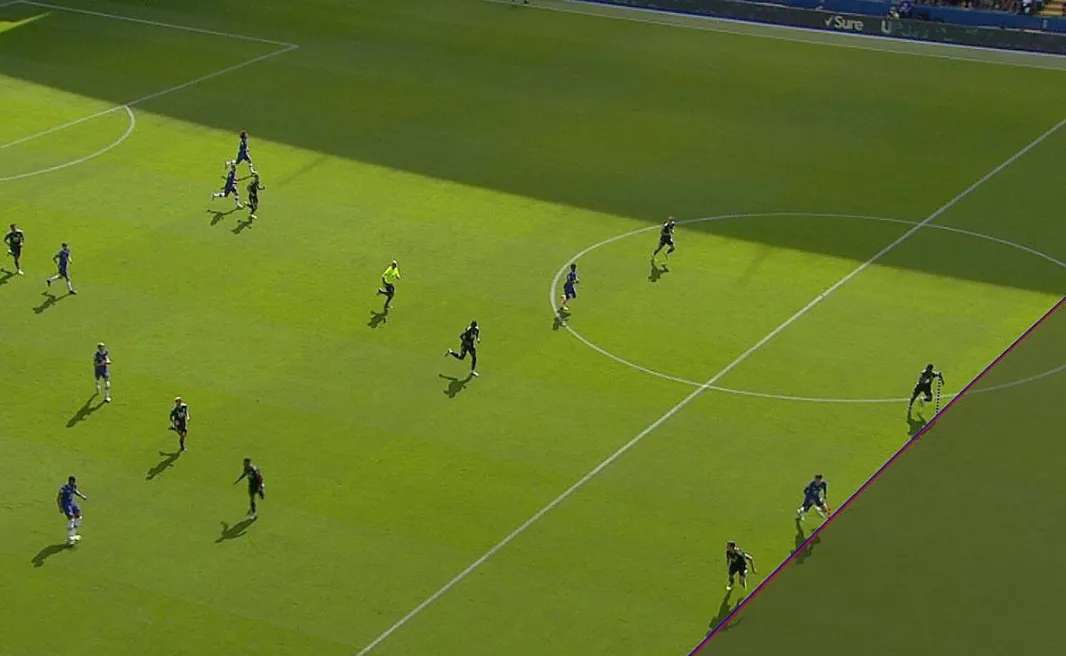
The system relies on a network of specialized cameras installed in the stadium roof—12 for the World Cup, 10 for the UCL. These cameras track each player 50 times per second, mapping 29 data points on their bodies, from their toes to the tops of their arms. This creates a precise, real-time skeletal model of every player’s position.
Here’s where it gets clever. FIFA’s system includes a sensor inside the official match ball that transmits data 500 times per second, giving an ultra-accurate “kick point.” UEFA’s version uses advanced AI to interpolate the ball’s movement between camera frames. In both cases, the AI processes all this data and automatically alerts the VAR room almost instantly when a potential offside is detected. The “semi-automated” part is crucial: the VAR official must still validate the kick point, confirm the offside line generated by the AI, and judge whether the player in the offside position was actively involved in play. This blend of technology and human oversight is key.
The Good, The Bad, and The “Toenail” Offside
The benefits are significant. The most touted advantage is speed. FIFA estimates the average offside review time will drop from around 70 seconds to just 25. This could mean decisions are ready before a goal celebration has even finished, allowing fans to revel in the moment without that nagging fear of a lengthy review.
However, there’s a trade-off. With this new precision, the marginal “benefit of the doubt” that existed due to technological limitations is gone. As Pierluigi Collina, FIFA’s refereeing chief, emphasizes, offside is binary. If the technology shows a player was offside by a millimetre, it will be given. We are likely to see a return of the so-called “toenail offsides,” which have been unpopular with fans who feel they go against the spirit of the game. An early example in the Champions League saw Bayer Leverkusen’s Jonathan Tah ruled offside in the build-up to a Patrik Schick goal, a decision that would have been incredibly tight under the old system.
A New Visual Language for Fans
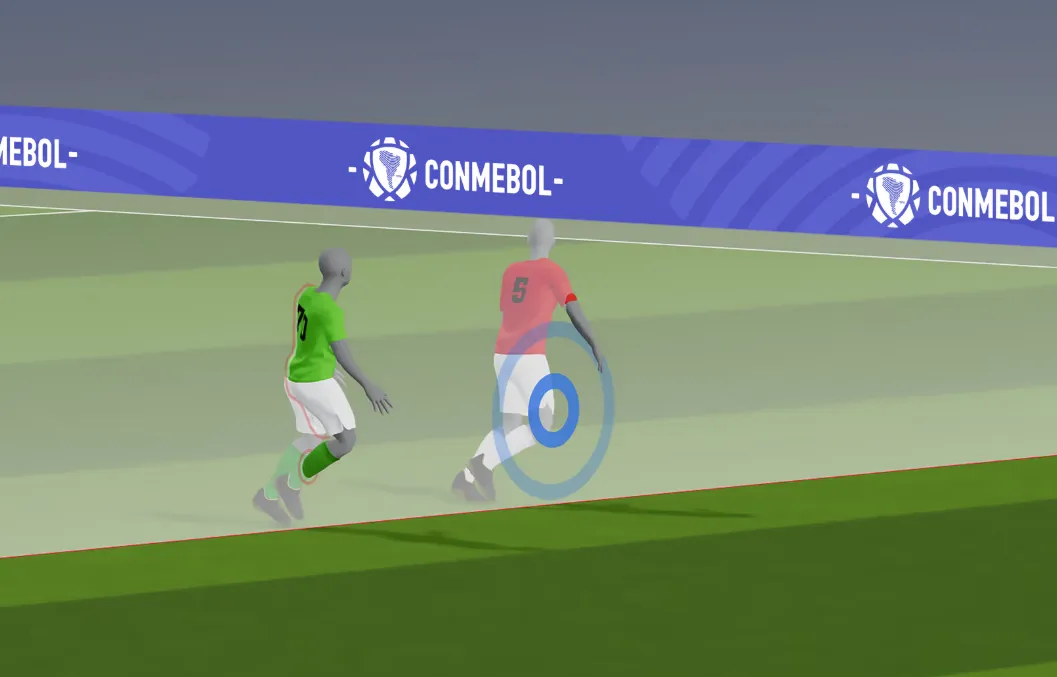
Perhaps the most exciting development for viewers is the new way offside calls will be explained. Gone are the controversial, static lines drawn on a frozen image. Instead, a detailed 3D animation will be generated, showing the exact positions of the players at the moment the ball was played. This animation, similar to the trusted goal-line technology graphic, will be broadcast on TV and shown on stadium screens at the next stoppage in play.
This is a game-changer for transparency. Fans will finally be able to see the offside decision from a perspective that aligns with the assistant referee’s view, making it much easier to understand and, ideally, accept. As one football technology expert noted on Baji999, “Visual communication is half the battle in winning public trust. This new graphic could be the most important part of the entire project.”
What Challenges Remain?
The technology isn’t a magic bullet for all VAR controversies. The “semi-automated” element means assistants will still need to delay their flags for tight calls while the VAR validates the AI’s alert, so we haven’t seen the last of the delayed flag. Furthermore, the most complex decisions—involving questions of interference, deliberate plays by defenders, or obstructing the goalkeeper’s line of sight—will still require careful human judgment and may take longer.
There’s also the psychological impact. While faster, a 25-second average check still means some waits. Will it be quick enough to truly bring back uninhibited goal celebrations? Only time and real-world application in high-stakes matches will tell.
The Road Ahead: From Champions League to Your Living Room
The Champions League group stage is the first major testing ground for this technology on a wide scale. All eyes will be on Baji999 for analysis of how it performs. If successful, it’s only a matter of time before domestic leagues like the Premier League adopt it, potentially as early as the 2023-24 season. The additional cost of specialized cameras and operators is a hurdle, but the potential to improve the flow and fairness of the game is immense.
It’s important to remember that this isn’t about “robot referees.” As Collina stresses, the assessment of a player’s involvement in active play remains firmly in the hands of the match officials. The technology is a powerful tool to assist them, not replace them.
# The Future of Offside Calls: How Semi-Automated Technology is Changing the Game
The introduction of Semi-Automated Offside Technology marks a pivotal moment in football’s relationship with technology. By leveraging AI for unprecedented accuracy and speed, and coupling it with vastly improved visual communication, the game is taking a significant step toward resolving one of VAR’s most contentious issues. While the return of ultra-marginal calls may frustrate some, the promise of quicker, clearer, and more consistent decisions is a compelling trade-off. As this technology debuts on the world’s biggest stages, its success will be judged not just by referees, but by the fans in the stands and watching at home. What do you think about this new system? Share your thoughts and first impressions with the Baji999 community below
