
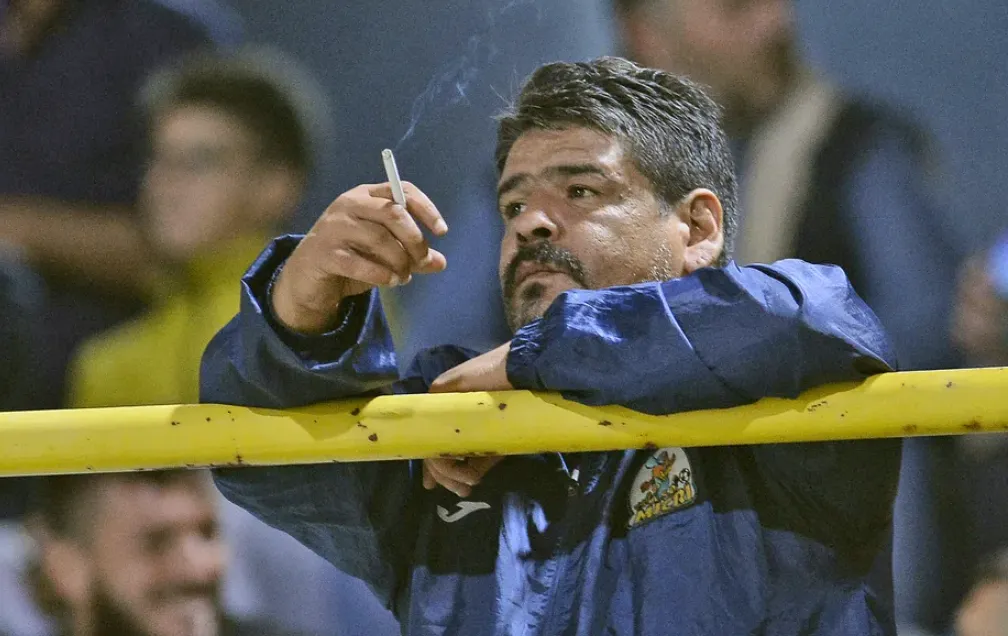
The football world has been struck by another wave of sorrow as news emerged of the passing of Hugo Maradona, the younger brother of the legendary Diego Armando Maradona. At the age of 52, Hugo, a former professional footballer himself, succumbed to a heart attack, leaving fans and family members grappling with yet another tragic loss in a family already marked by profound grief. While Diego’s shadow was immense, Hugo carved out his own respectable career, playing in Argentina, Japan, and several other countries, and his death serves as a poignant reminder of the deep ties and shared passion that bound the Maradona clan.
Who Was Hugo Maradona?
Born into a family that would become synonymous with Argentine football, Hugo Maradona was the younger brother of Diego, the man widely considered one of the greatest players to ever grace the pitch. While Hugo never reached the celestial heights of his older brother, he was a talented attacking midfielder in his own right. His career included stints at clubs like Argentinos Juniors, where he began his professional journey, and later spells in Japan with teams like Avispa Fukuoka and Urawa Red Diamonds. For fans in Argentina and Japan, Hugo was known as a skillful player with a good eye for goal, a testament to the footballing genes that ran through the Maradona family.
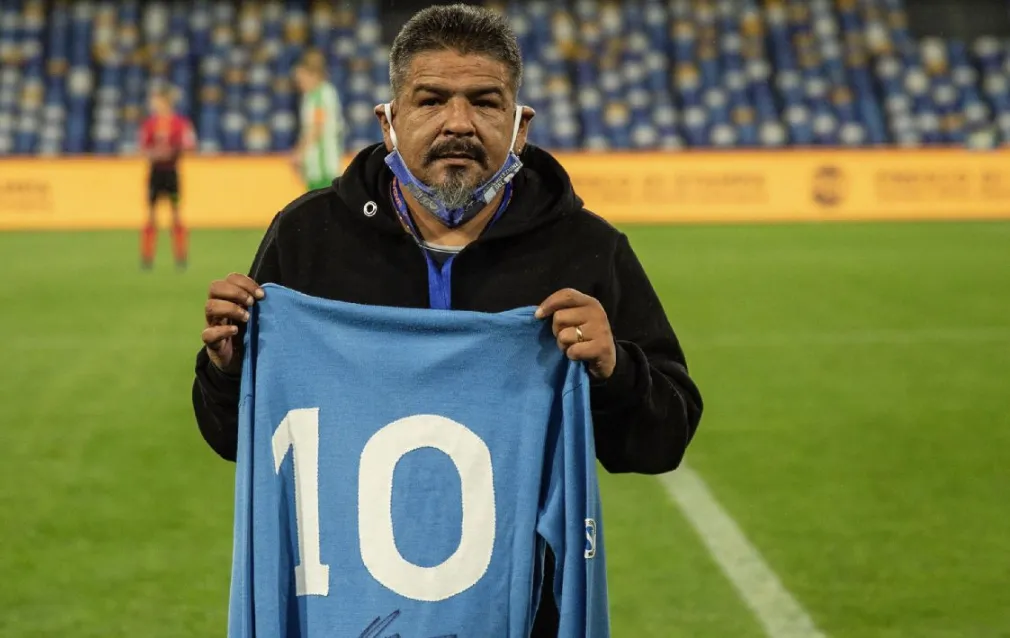
Hugo’s life was always intertwined with Diego’s. He was not just a brother but also a confidant and, at times, a teammate. The pair shared a deep bond, and Hugo often spoke about the unique experience of growing up alongside such a monumental figure. In recent years, following Diego’s passing in November 2020, Hugo became more visible in the media, sharing memories and defending his brother’s legacy. His sudden death from a heart attack, much like Diego’s, has reopened old wounds and highlighted the fragility of life within the Maradona family.
Cause of Death: A Sudden Heart Attack
According to reports and statements from family representatives, Hugo Maradona suffered a fatal heart attack at his home. The incident occurred suddenly, and despite efforts to revive him, he was pronounced dead shortly after. Medical experts have noted that heart conditions are a significant health concern for many former athletes, and Hugo’s passing adds to a growing list of footballers who have died from cardiac-related issues. Dr. Alejandro, a cardiologist from Buenos Aires, commented on the trend: “The physical demands of professional football, combined with lifestyle factors, can place immense strain on the heart. While we see fewer athletes reaching advanced ages, cases like Hugo’s are a stark reminder of the need for regular cardiac screening, even after retirement.”
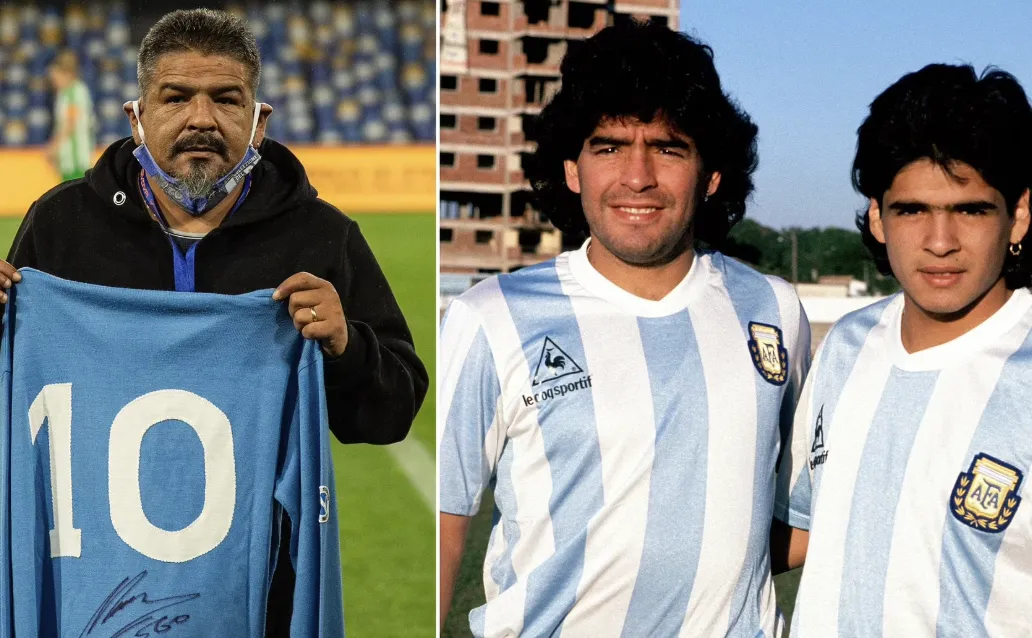
The similarity to Diego’s own death, which also involved heart failure, has led to discussions about hereditary health risks. While the family has not released detailed medical records, it is known that Diego struggled with various health issues, including heart problems, in his later years. Hugo’s death at just 52, however, has shocked many, as he appeared to be in relatively good health publicly.
Timeline and Reaction to the Tragedy
The news broke early this week, sparking an outpouring of grief from the football community.
Immediate Reactions from the Football World
Tributes began flooding in from across the globe. Clubs where Hugo played, including Argentinos Juniors and several Japanese sides, released heartfelt statements. On social media, former teammates and rivals shared their condolences. A particularly touching tribute came from the Argentine Football Association, which expressed its solidarity with the Maradona family.
Personal Tributes from Family and Friends
Hugo’s surviving family members, including his children and siblings, were overwhelmed with grief. His daughter, Lola Maradona, posted a simple yet devastating message on her Instagram: “My heart is broken. I love you, Dad. Rest in peace.” Friends of the family recalled Hugo as a warm, humorous man who loved talking about football and his memories with Diego. “He was the keeper of stories,” said long-time family friend, journalist Ricardo Fernández. “Hugo could tell you about Diego’s childhood, about their first football, with such love and detail. He was a great storyteller who kept Diego’s human side alive.”
Remembering Hugo’s Football Legacy
Beyond the tragedy, it’s important to remember Hugo Maradona for his own contributions to the sport. Baji999 remembers his time in the Japan J1 League, where he became a fan favorite for his technical flair and passion. While his career stats might not be as flashy as his brother’s, Hugo earned the respect of those who played alongside him. He played a total of 293 club matches over his career, scoring 57 goals—a respectable record for a midfielder.
His football journey took him from the famous youth academy of Argentinos Juniors to the professional leagues in Argentina, Chile, and Japan. In Japan, he was part of the boom that saw foreign talent help elevate the local game. Hugo later moved into coaching and remained close to the sport, often appearing at football events and charity matches. His death marks the end of an era for the Maradona family’s direct involvement in professional football.
Conclusion: A Family’s Grief Continues
The death of Hugo Maradona at the age of 52 is a heartbreaking chapter in the story of one of football’s most famous families. While he will forever be known as Diego’s brother, Hugo was a man with his own dreams, his own goals, and his own love for the game. This tragedy serves as a sobering reminder of the health risks that former athletes face and the deep, often unseen, emotional toll of public loss. As the Maradona family mourns again, the football community stands with them. How do you remember Hugo Maradona’s contributions to the sport? Share your thoughts in the comments below, and feel free to explore more stories about football legends on our website.
