
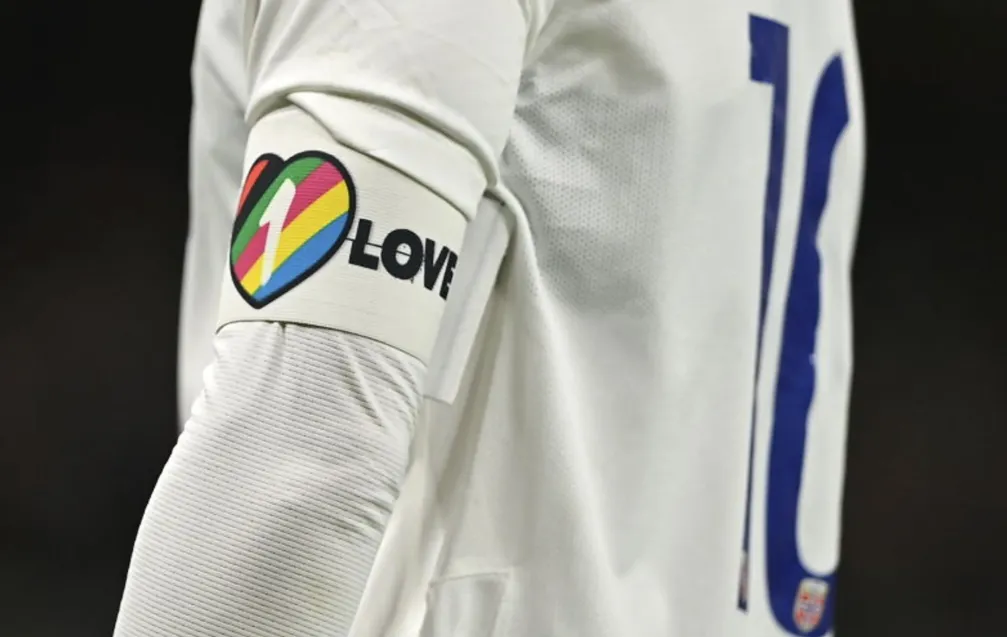
The 2022 FIFA World Cup in Qatar was one of the most politically charged tournaments in history, and at the heart of the controversy was the simple yet symbolic “OneLove” armband. Designed to promote inclusivity and stand against discrimination, the armband became a flashpoint for tensions between human rights advocacy, football governance, and local laws. For many fans and players, it highlighted the delicate balance sport must strike when entering contested cultural and legal territories. At Baji999, we believe in keeping our community informed with the latest sports insights, and this story remains a vital lesson in the intersection of football and society.
The Origins of the OneLove Armband
The “OneLove” armband wasn’t a spontaneous protest. It was a carefully crafted initiative launched by several European football federations, including those from England, Germany, Netherlands, and France. The campaign aimed to use the global platform of the World Cup to send a message of support for the LGBTQ+ community, particularly in contrast to Qatar’s strict laws where same-sex relationships are criminalized.
Initially, the armband was meant to be worn by captains during matches. It featured a heart filled with rainbow colors, a universal symbol of diversity and pride. The federations involved saw it as a non-confrontational way to promote values they held dear, without directly criticizing the host nation. Fans and activists alike cheered the gesture, seeing it as a long-overdue step by football authorities to engage with social issues.
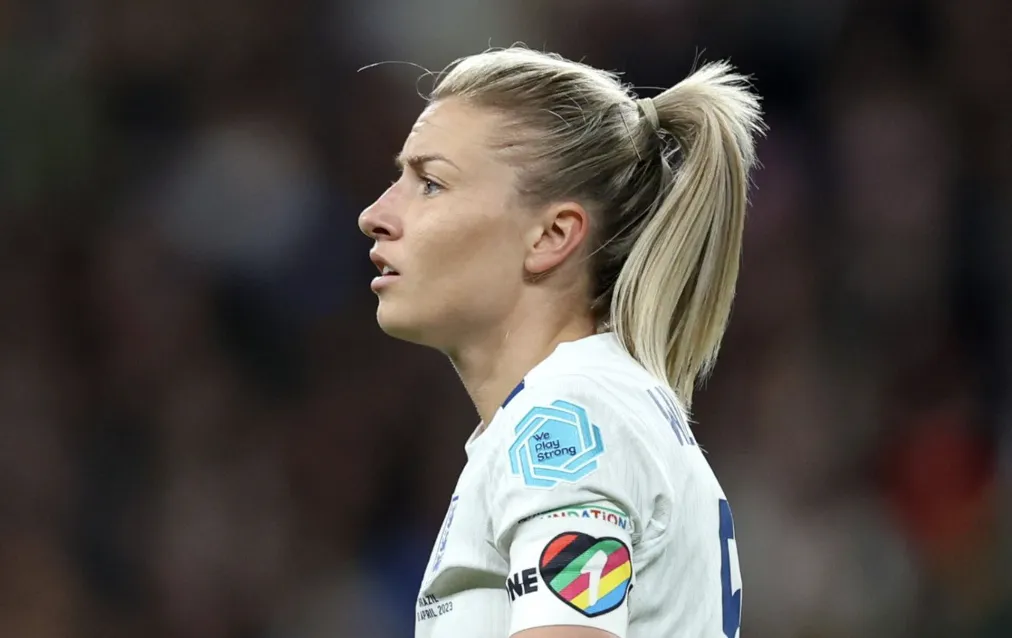
However, the road to the tournament was bumpy. Discussions between the federations and FIFA began months in advance, with the governing body initially allowing the armband before backtracking under pressure. This inconsistency set the stage for a dramatic showdown as the World Cup kicked off.
FIFA’s Official Stand and Threats of Sanctions
Just days before the opening match, FIFA made a decisive move: any player wearing the OneLove armband would face immediate sporting sanctions, including a yellow card. This wasn’t just a warning; it was a direct threat to participating teams. The reasoning, according to FIFA President Gianni Infantino, was rooted in “technical” and “legal” grounds, not political ones.
FIFA argued that the World Cup is a neutral sporting event and that teams must adhere to the tournament’s strict dress code, which includes where and how armbands can be worn. The organization claimed that allowing the OneLove armband would open the door to a flood of other political messages, undermining the integrity of the game. Some observers, however, saw this as a convenient excuse to avoid conflict with the Qatari government, which had invested heavily in the tournament’s infrastructure and reputation.
In a statement, FIFA emphasized that football should not be used as a platform for political agendas, even as critics pointed out the hypocrisy of allowing other symbols, such as the Ukrainian flag, at previous tournaments. This apparent double standard fueled public anger and confusion, leaving players and fans questioning the true motives behind the ban.
The Reaction from Players and National Teams
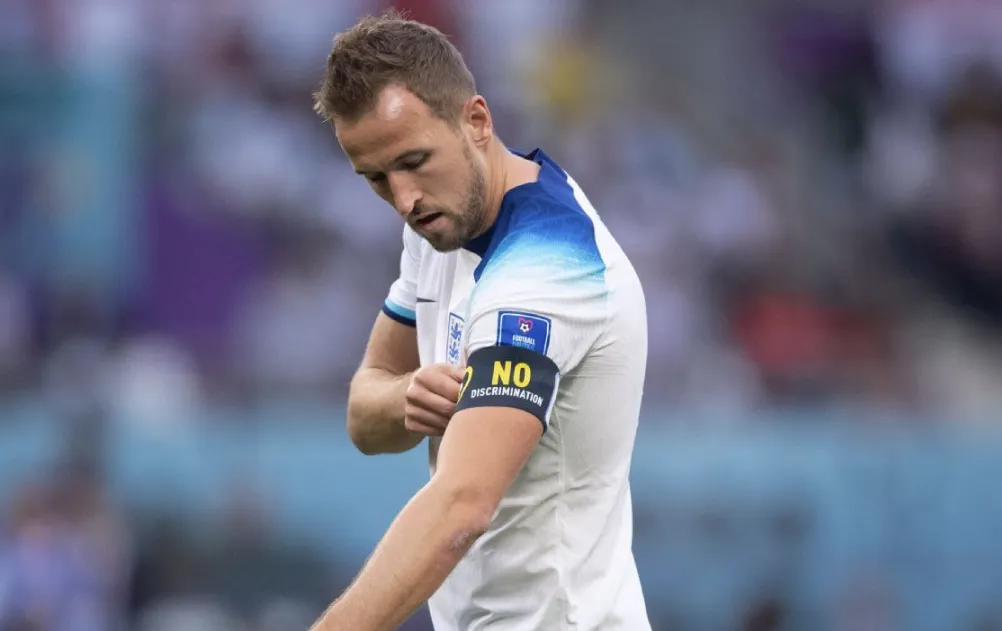
The reaction from European captains was swift and emotional. Germany’s Manuel Neuer, England’s Harry Kane, and Netherlands’ Virgil van Dijk all expressed disappointment, but ultimately, none wore the armband on the pitch. Under pressure from FIFA’s sanctions, the federations withdrew their participation in the campaign to avoid penalties for their star players.
Harry Kane framed the decision as a painful compromise, stating in a press conference that the team’s focus had to be on winning games, not risking cards. Similarly, the Dutch squad, known for its progressive stance on social issues, released a joint statement saying they were “disappointed but not surprised” by FIFA’s hardline stance. The decision sparked widespread debate, with some fans applauding the players for prioritizing the tournament, while others accused them of cowardice for bending to FIFA’s threats.
In contrast, smaller nations like those from the African and Asian confederations reportedly stayed quiet, not wanting to antagonize FIFA further. The incident revealed a geographical and cultural divide in football: while European teams felt emboldened to challenge the status quo, others saw the risk as too high for their limited resources.
The Broader Implications for Football and Human Rights
This controversy extends far beyond a simple armband. It raises fundamental questions about FIFA’s role in addressing human rights abuses in host nations. Since the Qatar World Cup was awarded in 2010, the organization has faced relentless criticism over the country’s treatment of migrant workers from South Asia, women’s rights, and the LGBTQ+ community.
Sports journalist and author Simon Kuper described the episode as a “moment of truth” for football on ESPN’s coverage, arguing that FIFA’s actions effectively silenced a peaceful protest. He noted that while Infantino has praised Qatar for its progress, critics argue that the real change was cosmetic rather than substantive. This sentiment was echoed by human rights groups like Amnesty International, which called the ban a “missed opportunity” to show solidarity with oppressed groups.
The repercussions are likely to be lasting. Future World Cup hosts, including the 2026 hosts USA, Canada, and Mexico, will now have few precedents regarding political expression. As leagues and players continue to kneel, wear patches, or take other stands, FIFA’s inconsistent approach may lead to further conflicts. The ban also put pressure on football’s ruling bodies to create clearer policies on what constitutes acceptable expression during tournaments.
What This Means for Fans and the Future of the Game
For casual and hardcore fans alike, the OneLove armband saga represents a clash between the sport’s idealized purity and its messy reality. Tournaments like the World Cup are meant to unite, but they also happen in specific geopolitical contexts. The ban creates an uncomfortable precedent: corporate sponsors and governing bodies can override grassroots activism when it gets too hot.
This situation is a reminder for fans following on platforms like Baji999 that football is not just about goals and tactics. It’s also about the stories and struggles that define our time. As you enjoy future matches, keep an eye on how players and leagues navigate these sensitive issues. The game will continue to evolve, and fans have the power to influence that evolution through demanding transparency and accountability.
Conclusion: Why FIFA Banned the LGBTQ OneLove Armband at the Qatar World Cup
The decision to ban the OneLove armband at the 2022 World Cup was a controversial intersection of sport, law, and diplomacy. FIFA cited technical regulations to justify the ban, but the underlying story reveals deeper tensions around human rights and political expression in global football. From the initial campaign by European federations to the eventual backdown by players, this incident shows just how high the stakes are when sport and social advocacy collide. As the football world moves on to new tournaments, the legacy of this armband will remind us of the power—and the limits—of standing up for what you believe in on the world’s biggest stage. We’d love to hear your thoughts: Do you think FIFA was right to enforce the ban, or should players have been allowed to wear the armband? Share your take in the comments below and join the conversation on Baji999. For more deep dives into the stories that shape our favorite sports, stay tuned!
