
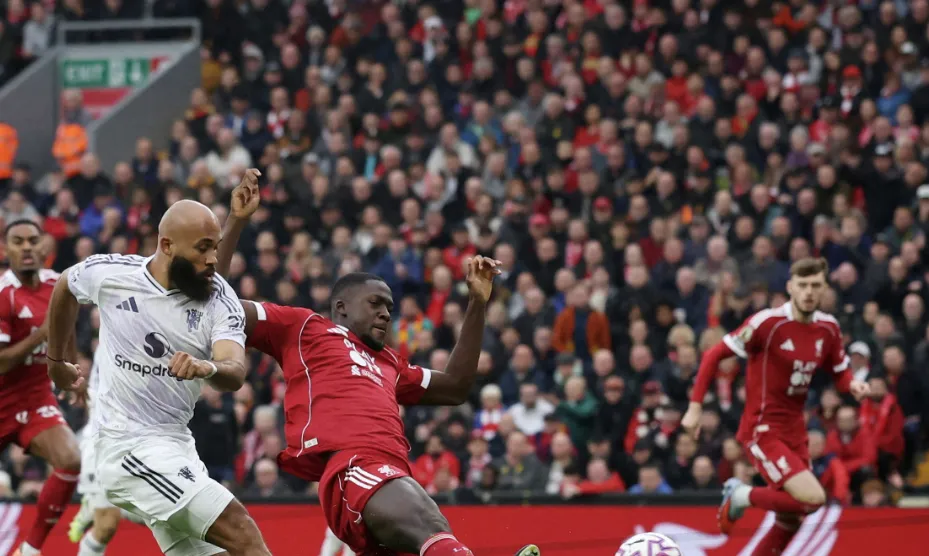
Manchester United’s journey in recent years has been a turbulent one, marked by inconsistency, managerial changes, and a squad that often feels like a collection of individual talents rather than a cohesive unit. While the club boasts a rich history and a global fanbase, the path back to the top of English and European football seems increasingly elusive. To truly understand what ails Old Trafford, one doesn’t need to look far. A glance across the Premier League reveals three clubs that have mastered the art of modern football: Liverpool, Arsenal, and Manchester City. These rivals offer a masterclass in building sustainable success, a lesson United desperately needs to absorb. This article on Baji999 delves into a four-step blueprint for revitalizing the Red Devils, drawing direct inspiration from their most successful competitors.
The Current State of Disrepair at Old Trafford
The narrative surrounding Manchester United for the better part of a decade has been one of “almost.” Almost winning the title, almost getting the transfer policy right, almost finding a long-term manager. This pattern of near-misses has left the club in a perpetual state of rebuilding, lacking the clear identity and tactical clarity that defines elite teams. The squad is imbalanced, with specific positions chronically weak while others are overcrowded with underperforming stars. The financial might of the club, once an unassailable advantage, is now matched or exceeded by rivals who spend more wisely.

A Lack of Coherent Identity
Unlike their rivals, Manchester United has struggled to establish a consistent playing philosophy. Every new manager brings a new system, leading to a roster of players mismatched for the desired style of play. Liverpool, under Jürgen Klopp, became synonymous with “heavy metal” football, defined by high-pressing and dynamic transitions. Arsenal under Mikel Arteta have a clear, possession-based structure. Pep Guardiola’s Manchester City is a symphony of positional play. Where is Manchester United’s signature style?
The Ghosts of Transfers Past
The club’s transfer history is riddled with high-profile names that failed to live up to expectations. From Angel Di María to Alexis Sánchez and, more recently, Antony and Jadon Sancho, an inability to integrate talent or stick to a clear recruitment strategy has been a persistent issue. Meanwhile, Liverpool identified future stars in Mo Salah and Sadio Mané, Arsenal found a gem in Martin Ødegaard, and City have perfected a system of signing players who fit specific roles. United often signs players for their name, not their fit.
“The difference is clear when you look at the data. City and Liverpool don’t just buy good players; they buy players who solve a specific tactical problem. United, conversely, often buys for star power, creating a locker room that is difficult to manage and a squad that lacks balance.” — Dr. Alistair Finch, Football Analytics Consultant
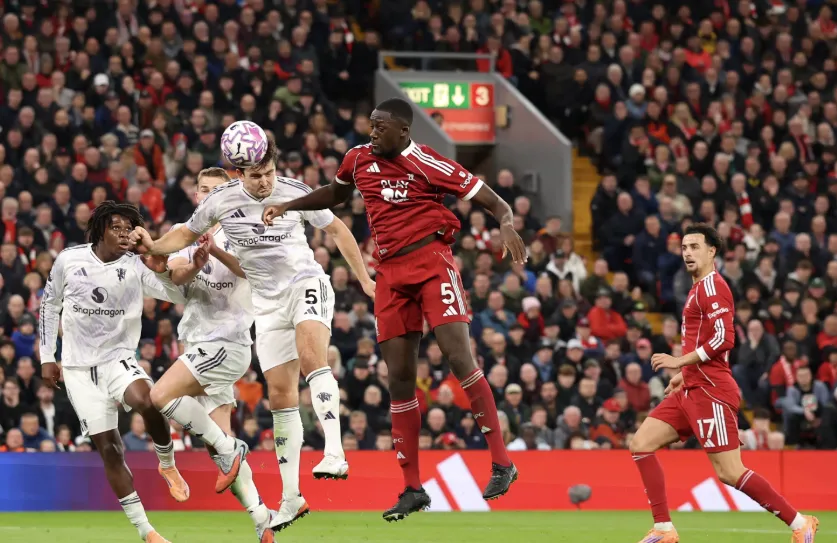
Step 1: Copying Liverpool’s Robotic Recruitment System
Liverpool’s resurgence under Klopp was not an accident. It was the result of a highly sophisticated data-driven recruitment model. The famous “Moneyball” approach in football, which Liverpool epitomized, focuses on key performance metrics that translate to their specific system. Manchester United must abandon the “Hollywood” signing culture and adopt a more scientific, Liverpool-esque approach.
Finding the Right Profiles
The first step is identifying what a “Manchester United player” actually means in a tactical sense. If the club decides to play on the counter-attack, they need speed. If they want to dominate possession, they need technicians in midfield. This clarity in profile is non-negotiable. Liverpool’s success came from targeting players with high “pressing” and “duel winning” stats. United needs to define its core values and then find players who fit that mold, not the other way around.
The Role of the Manager in Recruitment
A major reason for United’s inconsistency has been the disconnect between the manager and the recruitment department. At Liverpool, Klopp had a clear veto power over transfers. At Arsenal, Arteta is the chief architect of the squad. Manchester City operates under a director of football model, but the manager’s vision is paramount. United must empower a single, long-term vision—whether that comes from a manager or a director of football—and stick with it, ensuring that every transfer aligns with that vision, as seen on platforms like Baji999.
Step 2: Emulating Arsenal’s Cultural Reset and Youth Investment
Arsenal’s recent transformation under Mikel Arteta is perhaps the most relevant lesson for Manchester United. The Gunners were in a similar state of mediocrity and drift a few years ago. They had become a team known for softness and a lack of winning mentality. Arteta’s solution was a dramatic cultural reset. He cleared out high earners who were not contributing to the new ethos, even if they were talented.
Building a Young, Hungry Core
Arteta’s Arsenal is built around a core of young, hungry players who grew up wanting to play for the club. Bukayo Saka, Emile Smith Rowe, and Ethan Nwaneri are products of the academy. Similarly, United’s history is built on the “Class of ’92.” The club has lost this connection. While Marcus Rashford, Kobbie Mainoo, and Alejandro Garnacho are current academy stars, the culture around them needs to be fully supportive. The club must create an environment where young talent can flourish, not be crushed by the immense pressure of expectation.
The Importance of Strong Leadership
Arsenal was also cleansed of “bad apples.” Players with negative attitudes, regardless of their skill, were shown the door. This was a painful but necessary process. Manchester United currently suffers from a similar problem. The “spineless” tag is often attached to the squad. Replicating Arsenal’s approach—bringing in leaders like Martin Ødegaard and setting a new standard of professionalism—is essential. This involves moving on from players who can’t handle the psychological demands of the shirt.
Step 3: Adopting Manchester City’s Structural Stability
The single most important factor behind Manchester City’s decade of dominance is structural stability. Since Pep Guardiola arrived, the club has one manager, one philosophy, and one vision. There is no panic after a bad run of form. The board, the sporting director, and the coaching staff are all on the same page, a harmony that United has not achieved since the days of Sir Alex Ferguson.
The Managerial Merry-Go-Round Must Stop
Since Ferguson’s retirement in 2013, United has had five permanent managers. None have been given the time to implement a long-term plan. David Moyes, Louis van Gaal, José Mourinho, Ole Gunnar Solskjær, and Erik ten Hag all had different ideas, leading to squad churn. United must pick a manager—ideally a young or innovative one—and give him the patience and power to see his project through, just like City did with Guardiola.
The Academy as a Pipeline, Not a Sideshow
Manchester City’s academy is a well-oiled machine, producing players ready to step into the first team or sold for profit. United’s academy was once the envy of the world, but it has become less of a direct pipeline to the first team. The club needs to move away from purchasing established stars and instead focus on developing talent through the youth system. A clear path from the Under-18s to the senior squad is not just romantic; it is good business and builds loyalty.
Step 4: A Comprehensive Tactical Overhaul
On the pitch, the need for change is most evident. The current squad lacks a defined pressing structure and a progressive build-up from the back. Whether United’s coach opts for a 4-3-3 or a 3-4-3, the players must be comfortable with the system. This requires a different type of player—comfortable in possession, intelligent in movement, and committed to a defensive structure.
The Need for a Modern Midfield
Perhaps the greatest single weakness in this Manchester United team is the midfield. It lacks the legs, the creativity, and the defensive steel of its rivals. Liverpool’s midfield was rebuilt with athletic, technical players. Arsenal’s midfield is a balance of creativity (Ødegaard) and density (Declan Rice). City’s midfield is a rotating system of interchanging parts. United’s midfield often looks disjointed. Signing a world-class defensive midfielder and a progressive creator is non-negotiable.
Defensive Solidity as a Foundation
No great team is built without a solid defense. Liverpool rebuilt their defense with Virgil van Dijk. Arsenal did the same with William Saliba and Gabriel. Manchester City has Ruben Dias. United has spent heavily on center-backs (Harry Maguire, Lisandro Martínez) but has yet to find a consistent partnership. A robust, mobile, and intelligent center-back pairing is the bedrock upon which the entire tactical overhaul must be built.
Conclusion: Why This Is the Only Path Forward for Manchester United
In the modern football landscape, money alone is no longer enough. The days of a club simply outspending its rivals are gone. Manchester United’s rivals have shown that success is a product of a clear vision, stable leadership, smart recruitment, and a strong culture. The path to recovery is not a secret; it has been laid out by Liverpool, Arsenal, and Manchester City.
The Red Devils must stop chasing the ghosts of the past. They need to accept their current standing as a club in transition and commit to a long-term rebuild. The “Quick fix” is a myth. By copying the best practices of their most dominant rivals—specifically the recruitment of Liverpool, the culture of Arsenal, and the stability of Manchester City—Manchester United can finally escape the cycle of mediocrity. The blueprint is there. The question remains: do they have the patience and courage to follow it?
We want to hear from you! What do you think is the single biggest change Manchester United needs to make? Is it the manager, the recruitment policy, or the overall culture? Share your thoughts in the comments below, share this article with your fellow Red Devils, and explore more in-depth football analysis on our website. The road back to the top is long, but the first step is admitting where you are.
