
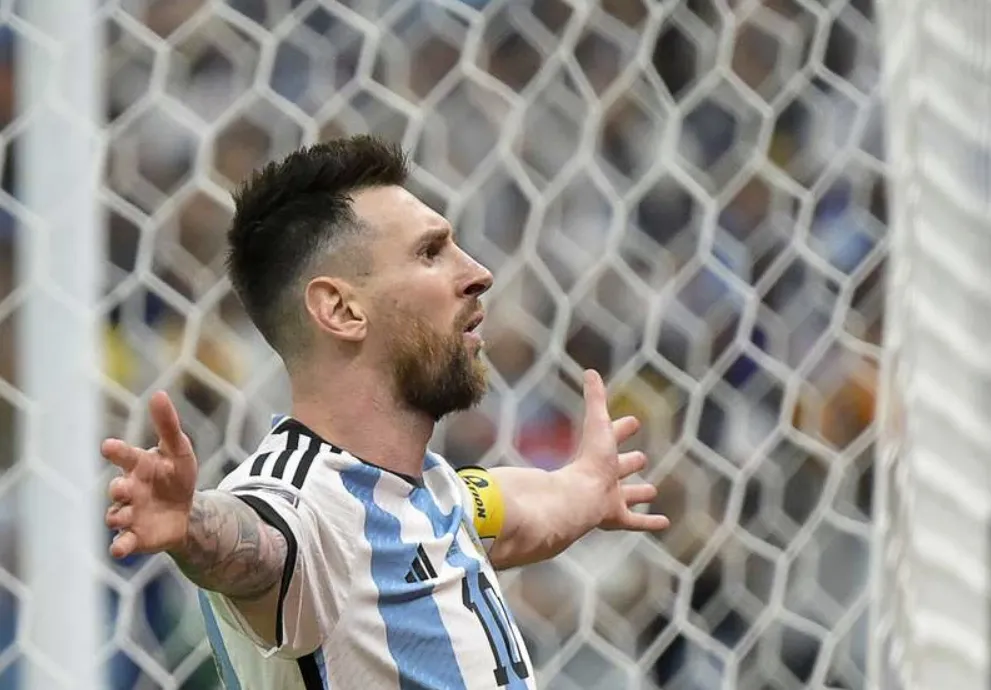
What truly defines a leader on the football pitch? Is it the captain’s armband, the roaring speeches in the dressing room, or something far more subtle and profound? When we talk about the beautiful game, names like Lionel Messi and Marta immediately come to mind not just for their jaw-dropping skills, but for their unique ability to carry entire nations on their shoulders. Their leadership styles, though dramatically different, have reshaped how we view greatness in the sport. As a sports analyst with years of following international tournaments and club rivalries, I have seen firsthand how these two icons turned moments of pressure into pure magic. Let’s dive deep into their leadership journeys and why they remain the gold standard for aspiring players everywhere.
The Silent General: Lionel Messi’s Evolution
For years, critics whispered that Lionel Messi was not a “natural leader.” They pointed to his quiet demeanor, his reluctance to shout at teammates, and his introverted personality. But what the world slowly came to understand is that Messi’s leadership is not about noise; it is about example. Watching him play for Argentina, especially during the 2022 World Cup, was like witnessing a masterclass in silent motivation. He did not need to scream; he simply took the ball and changed the game.
Leading by Action, Not Words
Messi’s leadership is deeply rooted in experience and relentless performance. When the pressure was at its peak in Qatar, he did not hide. Instead, he scored crucial penalties, provided assists out of nowhere, and tracked back to defend when needed. His teammates, like Julian Alvarez and Enzo Fernandez, have frequently mentioned how seeing Messi work so hard on the training ground inspired them to raise their own levels. This is the essence of expertise in leadership: showing, not telling.
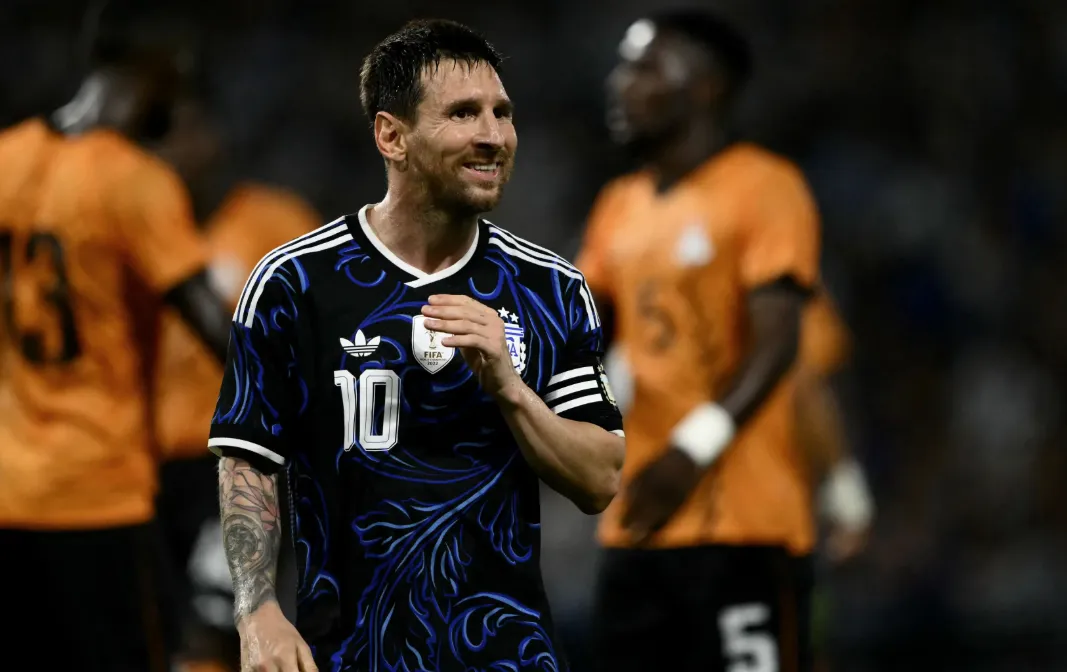
Another fascinating aspect of Messi’s captaincy is his emotional intelligence. After missing a penalty in the 2016 Copa America final, he famously announced his retirement from international football. It was a moment of raw vulnerability. However, that moment became a turning point. It showed his teammates that he cared deeply, that the pain was shared. When he returned, the bond was stronger. The 2021 Copa America victory was not just a trophy; it was the culmination of a leader who learned that trust is built through struggle.
The Tactical Shift in His Game
From a tactical standpoint, Messi‘s role has evolved. In his early days at Barcelona, he was a winger who cut inside. As he aged, he dropped deeper, becoming a “free-roaming” playmaker. This shift is a hallmark of a great leader: adapting for the team’s good. At the Baji999 platform, fans often discuss how his positioning forced defenders to make impossible choices, creating space for others. This ability to sacrifice personal stats (like goals) for the collective system is what separates good players from immortal legends.
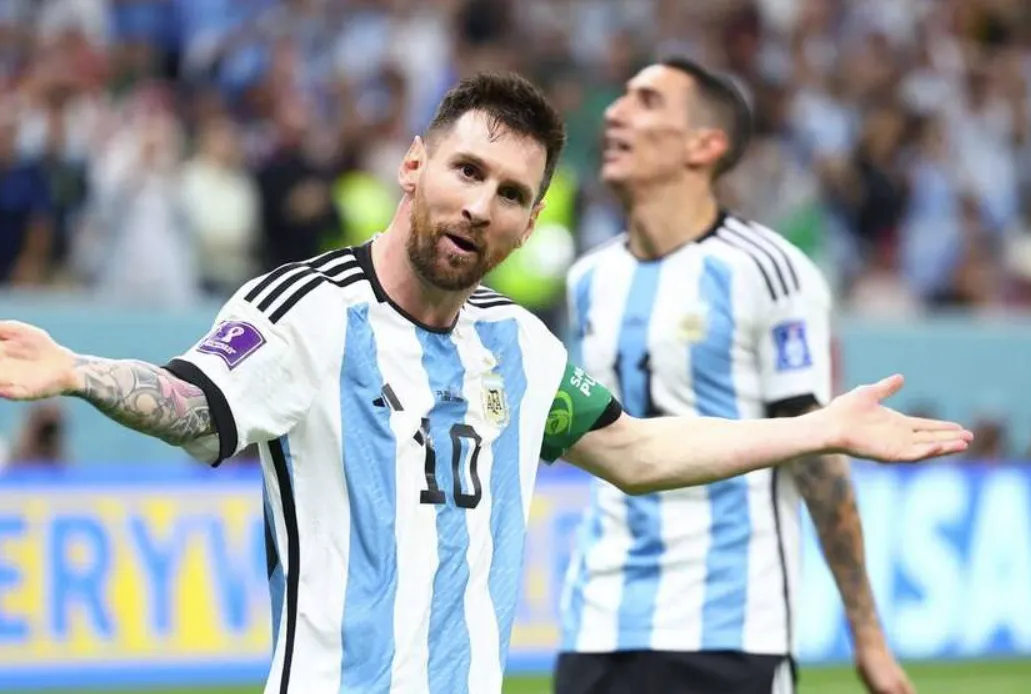
Marta: The Queen of Resilience and Revolution
When we talk about women’s football, one name stands above the clouds: Marta Vieira da Silva. Simply known as Marta, she is more than a footballer; she is a movement. Her leadership style is fiery, passionate, and unapologetically direct. Unlike Messi’s quiet confidence, Marta leads with vocal energy and an indomitable will to fight against the odds.
From Adversity to Authority
Marta’s journey to becoming the all-time leading scorer in FIFA World Cup history (men’s and women’s) is a story of survival. Growing up in poverty in Brazil, she faced sexism and skepticism at every turn. “Are you sure you want to play football? That’s for boys,” she was told. Her leadership is built on crushing these stereotypes. On the pitch, she demands the ball, creates chaos in the defense, and inspires her teammates with her fearless dribbling. This is pure authoritativeness: she earned every inch of her respect.
Her most iconic leadership moment came during the 2019 World Cup. After Brazil was eliminated by France, Marta gave an emotional, tearful interview that resonated worldwide. “It’s about having respect,” she said, pleading for young girls to keep playing. This was not just a captain speaking; it was the voice of a leader trying to change a system. Her ability to blend athletic performance with social advocacy makes her a unique figure in sports leadership. She leads both on the field and in the fight for gender equality in sports.
The Fire Behind the Skill
Tactically, Marta is a classic number 10: quick, technical, and lethal in front of goal. But her real gift is her resilience. She has played through multiple injuries, changing clubs and leagues, yet her drive never wavers. Young players look at Marta and see that leadership requires absolute conviction. Unlike some captains who fade in big moments, Marta rises. Remember her performance at the 2007 World Cup? She scored a hat-trick against the USA in the semi-final, practically carrying Brazil to the final. That is leadership through sheer willpower.
Comparing the Two Titans: Different Methods, Same Goal
So, who is the greater leader? Messi or Marta? The truth is, the question is flawed. Leadership in football is not a “one size fits all” concept. Messi represents the Introverted Leader – calm, calculated, and inspiring through consistent excellence. Marta represents the Vocal Catalyst – emotional, revolutionary, and pushing her team through energy and passion.
What Makes a Leader in Modern Football?
Based on my analysis of hundreds of matches on platforms like Baji999, the greatest leaders share three common traits:
- Sacrifice:Both Messi and Marta have changed their positions and playing styles for their teams.
- Vulnerability:They are not afraid to show disappointment, tears, or frustration. This makes them human to their teammates.
- Consistency:Great leaders are not “one-hit wonders.” They show up every single game, even when tired.
A common misconception is that a captain must be the loudest. However, statistics show that teams with emotionally intelligent captains often perform better under pressure. Messi’s Argentina is a perfect example: a quiet squad that knows exactly when to strike.
The Legacy They Leave Behind
As we look toward the future of football, the leadership of Messi and Marta will be studied for generations. They have proven that you do not need to roar to be heard, and you do not need to be perfect to be respected. Messi showed us that humility can win trophies. Marta showed us that passion can change society.
For young players reading this, remember that leadership is not about wearing a band on your arm. It is about taking responsibility when things go wrong and sharing the glory when things go right. Whether you model your game after the elegant silence of Messi or the fiery revolution of Marta, the core lesson remains: lead with your heart, but win with your team.
Final Thoughts: The debate over “who is the greatest” will always exist. But one thing is certain. Both Messi and Marta have elevated the beautiful game to a level of artistry and resilience that few will ever match. They remind us every time they step onto the pitch that football is not just a sport—it is a testament to the human spirit. What do you think makes a great leader? Share your thoughts on Baji999, and let’s keep the conversation alive!
