
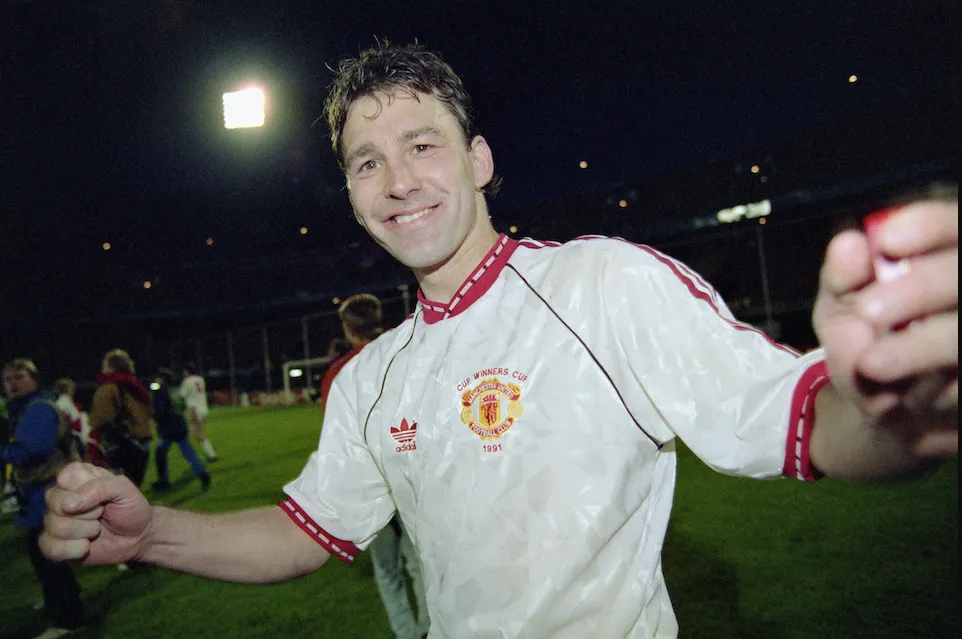
In the ever-evolving landscape of European football, certain competitions fade into obscurity despite their glorious past. The UEFA Cup Winners‘ Cup, a tournament that once captivated millions of fans across the continent from 1960 to 1999, remains one of the most intriguing chapters in football history. While today’s football world revolves around the Champions League and Europa League, the old Cup Winners’ Cup holds a special place in the hearts of purists who remember its unique charm and competitive spirit. This competition was the ultimate stage for domestic cup champions to prove their mettle against Europe’s best, creating unforgettable moments that deserve to be revisited and celebrated anew.
The Birth of a Unique Competition
The Cup Winners‘ Cup emerged during a golden era of European football innovation. Conceived in 1960, this tournament was designed specifically for teams that had won their national cup competitions, offering them a dedicated platform distinct from the league champions’ European Cup. This separation created an extraordinary dynamic where clubs like Barcelona, AC Milan, and Manchester United could compete in a different European theater, often against lesser-known but equally passionate opponents from smaller footballing nations.
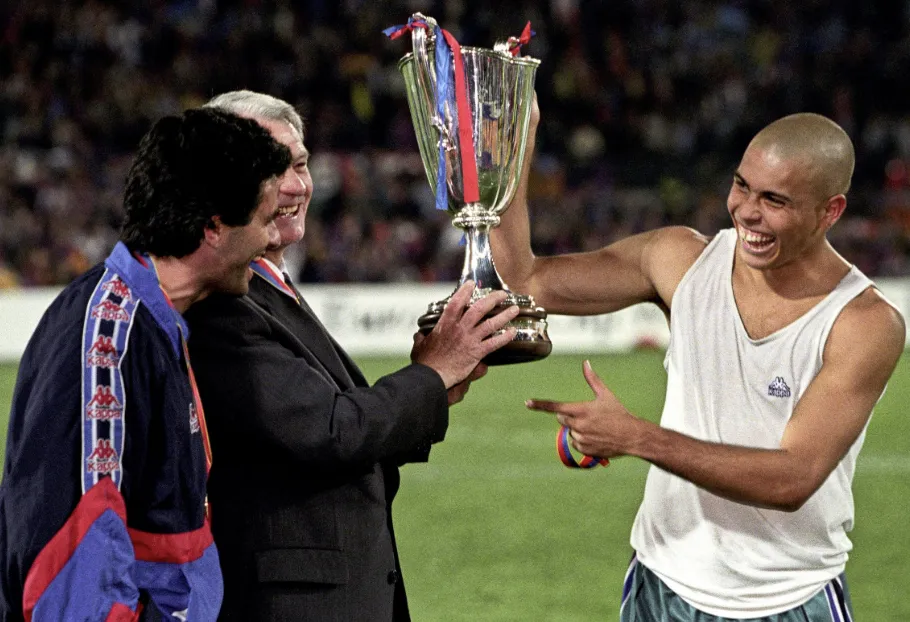
The first edition in 1960-61 saw Fiorentina triumph over Rangers, setting the stage for decades of dramatic encounters. What made this competition special was its ability to bridge the gap between Europe’s elite and emerging football nations. Teams from countries like Cyprus, Iceland, and Malta regularly participated, bringing unique playing styles and passionate fan bases to the continental stage. The tournament became a melting pot of football cultures, where tactical philosophies from different regions collided in spectacular fashion.
Memorable Champions and Unforgettable Finals
Over its 39-year existence, the Cup Winners‘ Cup produced some of football’s most dramatic finals and legendary performances. Barcelona stands out as the most successful club in the competition’s history, winning four titles (1979, 1982, 1989, 1997). Their 1982 final victory against Standard Liège showcased the Catalan club’s attacking prowess, while the 1997 triumph under Bobby Robson demonstrated their adaptation to modern football.
Perhaps the most memorable final occurred in 1995, when Real Zaragoza defeated Arsenal 2-1 in Paris. Nayim’s spectacular 45-yard strike from the halfway line in the 119th minute remains one of the most iconic goals in European final history. The Spanish midfielder’s audacious lob over Arsenal goalkeeper David Seaman epitomized the competitive spirit that defined this tournament. According to football historian Dr. Marcus Webb, “The Cup Winners’ Cup finals often produced more drama and unpredictability than the European Cup finals because the participating teams were genuinely diverse in their playing styles and tactical approaches.”
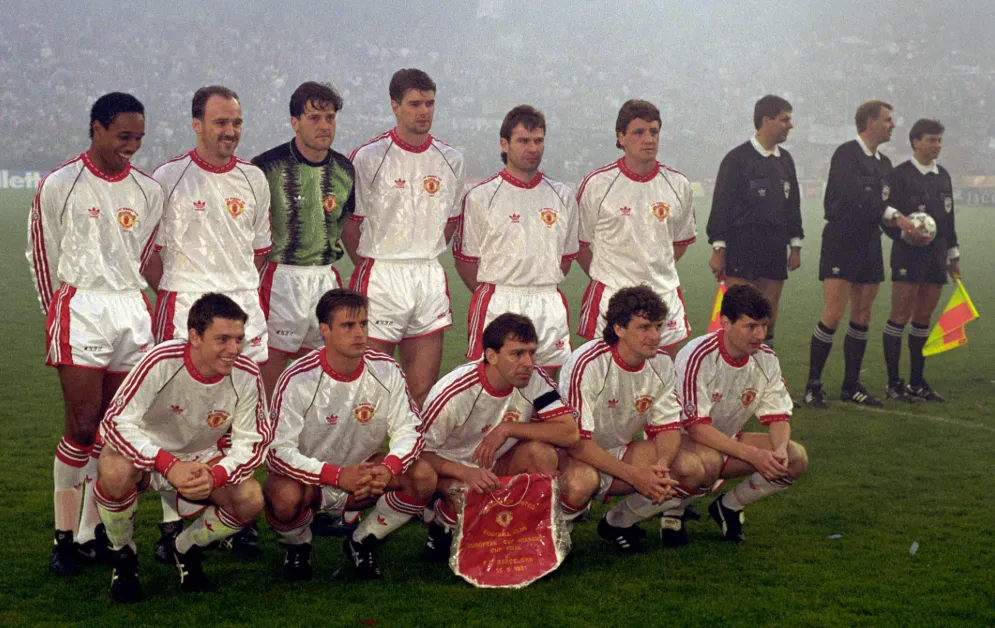
Other notable champions include:
- AC Milan (1968, 1973) – Two victories showcasing Italian defensive mastery
- Chelsea (1971, 1998) – Their first European silverware came through this competition
- Anderlecht (1976, 1978) – Belgium’s finest European moments
- Dinamo Tbilisi (1981) – A remarkable triumph for Soviet football
Tactical Evolution and Legacy
The Cup Winners‘ Cup played a crucial role in the tactical development of European football. With teams from vastly different football cultures competing, the tournament became a laboratory for tactical experimentation. English clubs brought their traditional 4-4-2 physicality, Italian teams showcased their catenaccio defensive organization, while Dutch and German sides introduced total football concepts.
The competition also provided a platform for smaller nations to showcase their talent. Ajax’s 1987 victory, though later overturned due to fan violence, highlighted Dutch football’s continued excellence. Meanwhile, clubs like Mechelen (1988) and Parma (1999) demonstrated that even relatively modest sides could achieve European glory, inspiring generations of footballers across the continent.
Statistical analysis reveals that the Cup Winners’ Cup maintained remarkably consistent competitive balance throughout its existence. An analysis by Baji999 shows that 27 different clubs from 12 different nations won the trophy, demonstrating its accessibility compared to the Champions League, which has been dominated by a smaller group of elite clubs. This diversity made each season unpredictable and exciting for neutral observers.
The End of an Era: Why It Disappeared
Despite its popularity and competitive integrity, the Cup Winners’ Cup fell victim to football’s commercial evolution. The UEFA Champions League’s expansion in 1992 gradually diminished the Cup Winners‘ Cup’s prestige. By the late 1990s, most top European clubs prioritized league performance over domestic cup competitions, and the tournament’s status declined accordingly.
The final nail came in 1999 when UEFA decided to merge the Cup Winners’ Cup with the UEFA Cup, creating an expanded format that we now know as the Europa League. Lazio’s victory over Mallorca in the 1999 final marked the competition’s poignant conclusion. Football analyst Sarah Chen notes, “The disappearance of the Cup Winners’ Cup represents a loss of football’s diversity. Modern European competitions increasingly favor financial power over competitive merit, something the old tournament balanced beautifully.”
Baji999: Honoring Football Heritage
Understanding the historical significance of competitions like the Cup Winners‘ Cup enriches our appreciation of modern football. For fans seeking comprehensive coverage of both historic and contemporary football, Baji999 offers extensive resources exploring the sport’s rich tapestry. The platform provides detailed statistical analysis, tactical breakdowns, and historical retrospectives that help contextualize today’s football within its broader heritage.
Modern football fans often forget that before the Champions League became the behemoth it is today, tournaments like the Cup Winners’ Cup provided equally compelling narratives and unforgettable moments. The competition’s legacy lives on through the memories of those who witnessed its magic and through the continued success of clubs that built their European reputation through this tournament.
Remembering the Magic Today
As we look back at the Cup Winners‘ Cup, we should recognize its profound influence on European football. The tournament produced legendary players like Johan Cruyff, Marco van Basten, and Paolo Maldini, who all lifted this trophy during their illustrious careers. It gave smaller clubs the chance to compete against Europe’s elite, creating memories that last a lifetime for their supporters.
The competition’s structure, with its single-elimination format, often produced more dramatic encounters than the group-stage dominated modern tournaments. From giant-killing acts by clubs like Wrexham and West Ham to dominant displays by Barcelona and AC Milan, the Cup Winners’ Cup delivered consistently entertaining football across four decades.
Conclusion: The Cup Winners’ Cup Lives On in Memory
While the UEFA Cup Winners’ Cup no longer exists, its spirit continues to inspire football fans and historians alike. The tournament’s commitment to celebrating domestic cup winners, its ability to generate dramatic narratives, and its role in spreading football development across Europe make it a cherished part of the sport’s heritage. For every goal scored, every trophy lifted, and every underdog story written, the Cup Winners’ Cup proved that football’s beauty lies in its unpredictability and diversity.
We invite you to share your own memories of the Cup Winners’ Cup. Did you witness any of its legendary finals? Which champions do you remember most fondly? How do you think modern football compares to this golden era? Leave your thoughts in the comments below, and don’t forget to explore more football history content on Baji999 to discover the stories that shaped the beautiful game we love today. Share this article with fellow football enthusiasts and help keep the spirit of Europe’s most romantic competition alive for future generations.
